
Did you like Dred?
One tap. It tunes your For You and tells others who loved it what to try next.
Harriet Beecher Stowe's second antislavery novel was written partly in response to the criticisms of Uncle Tom's Cabin (1852) by both white Southerners and black abolitionists. In Dred (1856), Stowe attempts to explore the issue of slavery from an African American perspective. Through the compelling stories of Nina Gordon, the mistress of a slave plantation, and Dred, a black revolutionary, Stowe brings to life conflicting beliefs about race, the institution of slavery, and the possibilities of violent resistance. Probing the political and spiritual goals that fuel Dred's rebellion, Stowe creates a figure far different from the acquiescent Christian martyr Uncle Tom. In his introductions to the classic novel, Robert S. Levine outlines the antislavery debates in which Stowe had become deeply involved before and during Dred. Levine shows that in addition to its significance in literary history, the novel remains relevant to present-day discussions of cross-racial perspectives.
If you liked Dred, the community suggests
Ranked by community votes — AI and similarity picks fill in while votes are few.
No votes here yet — be the first to rank this list
At 10 votes this becomes a true community ranking. Seen any of these? Tap “Closest” on the one that felt most like it.
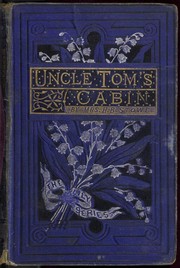
- 1Uncle Tom's Cabin1850BookSimilar genres
Something else felt closer? Suggest it — any medium.
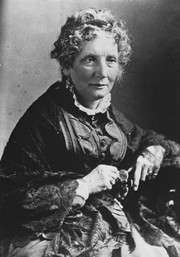
Author
Have it at home? Put it on your shelf.